Compare Local Contractors for Poured Concrete Installation Services
Compare local contractors for poured concrete installation to define your project scope, verify experience, and set clear expectations in writing.
Poured concrete installation is a versatile service that covers a range of applications, including driveways, sidewalks, patios, foundations, and slabs for various structures. This work involves preparing the site, setting forms, pouring the concrete, and finishing the surface to achieve a durable and smooth result. Understanding the scope of poured concrete work helps property owners determine what specific tasks are included, such as reinforcement, finishing techniques, and surface textures, ensuring the project aligns with their needs and expectations.
Clearly defining the scope of work is essential when working with contractors for poured concrete installation. A detailed scope should specify the dimensions, thickness, type of finish, reinforcement details, and any additional features like decorative elements or sealants. Having this information in writing helps prevent misunderstandings and provides a basis for evaluating whether a contractor’s expertise and experience match the project requirements. It also facilitates comparisons between service providers by highlighting their capabilities and the range of services they offer.
Property owners can compare local contractors for poured concrete installation by reviewing their experience with similar projects, assessing their reputation within the community, and examining the scope of services they provide. It’s helpful to verify how each contractor approaches site preparation, finishing techniques, and quality control. Asking for references or examples of completed work can provide insight into their craftsmanship. Additionally, ensuring that scope details are clearly outlined in written proposals allows property owners to make informed decisions based on the comprehensiveness and clarity of each contractor’s plan.
Compare local contractors by outlining project priorities, verifying experience, and clearly defining scope and expectations in writing.
- Verify Experience and Credentials - Review the background and previous work of local contractors to ensure they have relevant experience in poured concrete installation.
- Define Project Scope Clearly - Establish detailed project requirements and expectations to guide contractor selection and work execution.
- Compare Service Providers - Evaluate multiple local contractors based on expertise, reputation, and available services to find suitable options.
- Document Agreements in Writing - Ensure all project details, scope, and expectations are documented to prevent misunderstandings during the work.

Clearly describe your poured concrete project first to help compare local contractors, verify experience, and set expectations in writing.
- Verify experience and references of local contractors with poured concrete installation projects similar to the scope needed. - Ensure service providers clearly define the scope of work and deliverables in written agreements.
- Compare multiple local contractors to assess their methods, materials, and attention to detail for poured concrete work. - Look for detailed proposals that specify surface preparation, reinforcement, and finishing techniques.
- Check that contractors follow proper site preparation procedures to prevent issues like cracking or uneven surfaces. - Confirm they plan to address drainage, subgrade stability, and formwork setup accurately.
- Confirm that the scope includes curing methods and timing to ensure concrete strength and durability. - Ensure expectations around curing processes are documented and understood.
- Review the contractor’s process for handling weather considerations and potential delays during installation. - Make sure procedures for protecting fresh concrete are clearly outlined in the scope of work.
Compare local contractors’ experience and clarify project scope to ensure expectations are aligned.
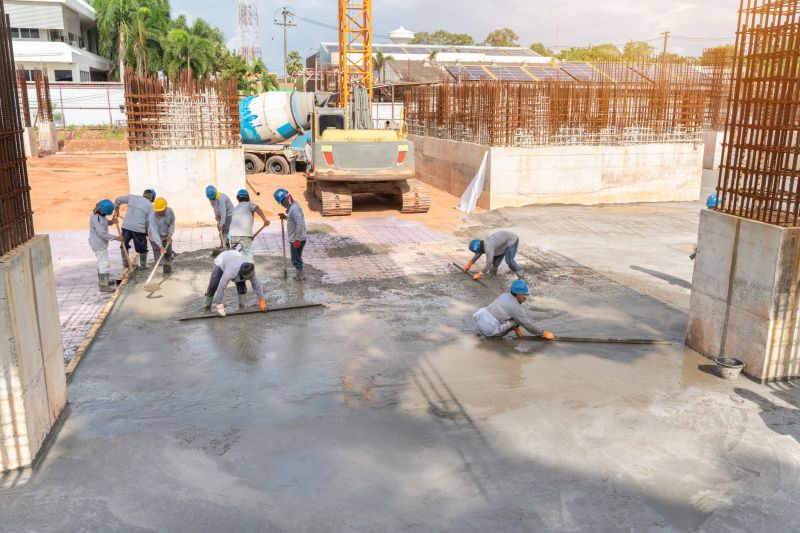
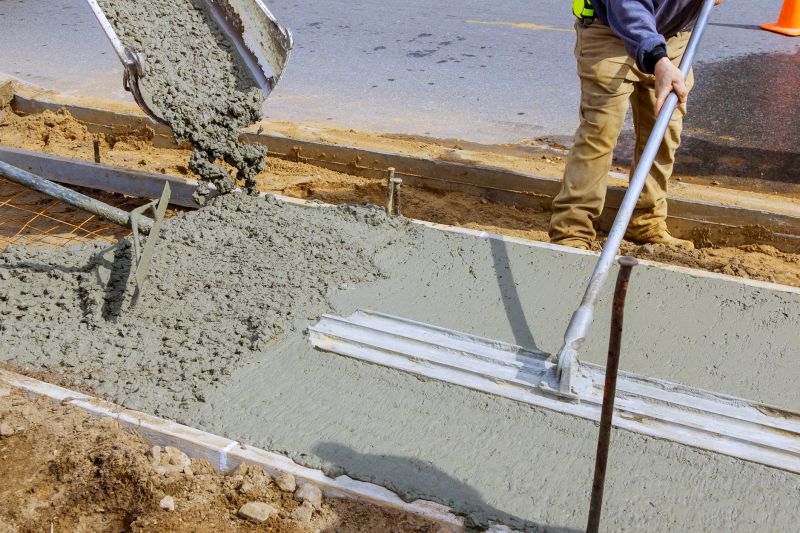


When comparing contractors for poured concrete installation, focus on defining scope, verifying experience, and maintaining consistent expectations.
- Scope Definition - Clearly outline the specific areas and dimensions for poured concrete installation to ensure mutual understanding.
- Material Specifications - Specify the type and quality of concrete and related materials to be used in the project.
- Preparation Requirements - Identify necessary site preparation steps, including formwork, reinforcement, and subgrade conditions.
- Installation Standards - Determine the methods and standards that local contractors will follow during pouring and finishing processes.
- Documentation and Expectations - Document all scope details and expectations in writing to facilitate clear communication and accountability.
When evaluating contractors for poured concrete installation, it’s important to consider their experience with similar projects. Homeowners should inquire about the types of poured concrete work the service providers have completed in the past, such as driveways, sidewalks, or foundation slabs. A contractor with a proven track record of handling projects comparable in scope and complexity can offer insights into their familiarity with site-specific challenges and best practices. Verifying the contractor’s experience helps ensure that the project will be managed efficiently and that the finished work meets expectations.
A clear and detailed written scope of work is essential when comparing contractors. This document should outline the specific tasks, materials, and finishes involved in the poured concrete installation. Having a well-defined scope helps prevent misunderstandings and provides a basis for evaluating the completeness of each proposal. Homeowners should look for service providers who can articulate the project’s details in writing, including any preparation work, reinforcement methods, finishing techniques, and curing processes, to ensure all parties share the same expectations.
Verification of fundamental project details is a key step in choosing the right contractor. Homeowners should verify that the contractor understands the site conditions and any necessary preparations, such as grading or formwork. Asking how they plan to address potential challenges-like drainage or soil stability-can provide insight into their planning process. Additionally, confirming that the contractor has appropriate experience with the type of poured concrete work needed helps establish confidence in their ability to deliver quality results.
Evaluating options without focusing solely on prices involves assessing how well each service provider’s approach aligns with project requirements. Homeowners should compare the clarity of scope, experience, and communication style to determine compatibility. It’s helpful to review how each contractor plans to manage the project, their attention to detail, and their ability to provide thorough, written explanations of the work. By focusing on these factors, homeowners can select a contractor who demonstrates professionalism and a comprehensive understanding of the project, leading to a smoother installation process.
Ask contractors to provide written scope details to ensure clear expectations and consistent project understanding.
- Experience and References - What is the contractor’s experience with poured concrete projects similar to yours?
- Scope of Work - How do the contractors define and clarify the project scope and deliverables in writing?
- Materials and Techniques - What types of concrete and installation methods do the local contractors typically use?
- Project Expectations - How do the contractors communicate the expected quality standards and work process?
- Comparison of Services - What specific services and guarantees do different local service providers offer for poured concrete installation?
What should I consider when choosing a contractor for poured concrete installation? It's important to compare local contractors based on their experience, reputation, and the scope of services they offer. Ensuring clear communication and understanding their previous work can help in making an informed decision.
How can I verify a contractor’s experience with poured concrete projects? You can ask for references or examples of past work to assess their expertise. Additionally, checking reviews or ratings from previous clients can provide insights into their performance.
Why is it important to define the scope of work in writing? Having a detailed written scope helps set clear expectations, reduces misunderstandings, and provides a basis for agreement on the project’s deliverables and responsibilities.
What questions should I ask a contractor before hiring for poured concrete installation? Inquire about their experience with similar projects, the materials they plan to use, their process for handling site preparation, and how they manage project quality and safety standards.
How can I compare different contractors effectively? Review their credentials, request detailed proposals, compare their scope of work, and evaluate their communication clarity to determine which contractor aligns best with project needs.
What role does communication play when working with poured concrete contractors? Clear and open communication helps ensure that project expectations are understood and documented, reducing the risk of misunderstandings and ensuring a smooth process.
By exploring the information provided, visitors should now have a clearer understanding of how to approach hiring contractors for poured concrete installation. They’ve learned the importance of defining the scope of work, verifying experience, and setting clear expectations in writing to help ensure a smooth project process. Utilizing the quote form allows for easy comparison of local service providers, helping to identify options that best match the project’s needs.
Using the quote form can be a helpful step in connecting with qualified local contractors who specialize in poured concrete installation. It offers an efficient way to gather information and compare different service providers, making it easier to find the right professionals for the project. Taking the time to review and assess local options can support a well-informed decision-making process.